
What Happens If You Die Without a Will in Connecticut?
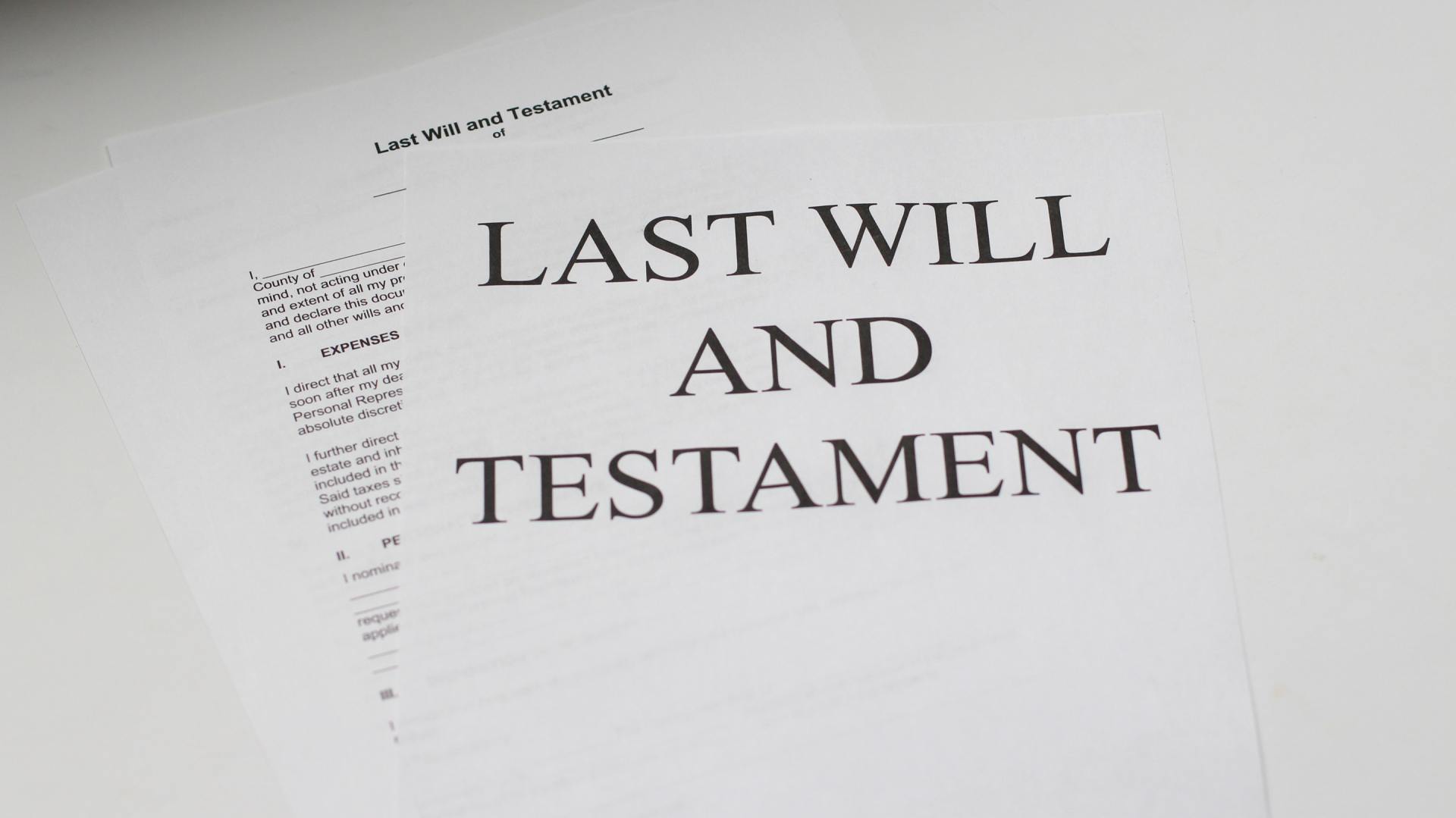
More than half of American adults don't have a will. Many assume their family will "sort it out", or that everything automatically goes to their spouse. In Connecticut, that isn't always true. If you die without a will, state law decides who inherits your property, who manages your estate and, in some cases, who raises your children. Here is how it works, and what you can do now so your family doesn't have to guess.
What "dying intestate" means
A person who dies without a valid will is said to have died intestate. Their property doesn't disappear or go straight to the state. Instead, Connecticut's intestate succession statutes (Connecticut General Statutes §§ 45a-437 to 45a-439) set out a fixed order of who inherits. The probate court applies those rules no matter what the person said out loud, wrote in a text message or "always meant to do."
Who inherits under Connecticut law
How your estate is divided depends on who survives you:
- Spouse, no children and no surviving parents: your spouse inherits everything.
- Spouse and one or both parents, no children: your spouse receives the first $100,000 plus three-quarters of the rest. Your parents receive the remainder.
- Spouse and children who are all also your spouse's children: your spouse receives the first $100,000 plus half of the rest. Your children share the other half.
- Spouse and at least one child who is not your spouse's child: your spouse receives half of the estate and your children share the other half. This is common in blended families and often surprises people.
- No spouse, but children: your children inherit everything in equal shares. If a child has died, that child's descendants take their share.
- No spouse or children: the estate passes to your parents. If they are not living, it goes to your brothers and sisters (or their children), and then to more distant relatives.
- No relatives who qualify: in rare cases, the property goes to the State of Connecticut.
Who gets nothing without a will
Intestacy rules only recognize legal relationships. That means some of the people closest to you may be left out entirely:
- Unmarried partners, no matter how long you have lived together.
- Stepchildren you never legally adopted.
- Close friends, caregivers and charities you meant to remember.
If you want any of these people or causes to receive something, a will or other estate plan is the only reliable way to make that happen.
Not everything goes through intestacy
Some assets pass directly to a named person, whether or not you have a will. These are often called non-probate assets, and they include:
- Life insurance policies and retirement accounts (401(k)s, IRAs) with a named beneficiary.
- Bank accounts marked "payable on death" (POD) or "transfer on death" (TOD).
- Property owned jointly with a right of survivorship, such as a home owned with a spouse.
- Assets held in a living trust.
Beneficiary designations override both a will and the intestacy rules, so it's important to keep them up to date, especially after a marriage, divorce or birth.
Who manages the estate?
When there is a will, it usually names an executor you chose and trust. Without one, the probate court for the district where you lived appoints an administrator, usually a spouse or close relative, and may require that person to post a probate bond. The administrator gathers your assets, pays debts and taxes, and distributes what's left according to the statute. If family members disagree about who should serve, the process can become slow, expensive and stressful.
What happens to minor children?
This is one of the most important reasons to have a will. A will lets you nominate a guardian for your minor children. Without one, a Connecticut probate court decides who will raise them if neither parent is able to. A court will act in the children's best interests, but it won't know your wishes unless you've put them in writing.
Small estates may qualify for a simpler process
Connecticut offers a simplified procedure for smaller estates that consist only of personal property below a set dollar limit, with no real estate in the person's sole name. Whether an estate qualifies, and which forms to file, depends on the specific assets involved, so it's worth a quick consultation before filing anything.
How to protect your family
Avoiding intestacy is usually simple and affordable. A basic estate plan in Connecticut often includes:
- A will naming who receives your property, an executor and a guardian for minor children.
- Updated beneficiary designations on life insurance, retirement and bank accounts.
- A durable power of attorney so someone you trust can handle your finances if you become unable to.
- Health care directives (including a living will and appointment of a health care representative).
- A trust, where it makes sense for your family, to avoid probate or manage assets for young or vulnerable beneficiaries.
Learn more about our estate planning and probate services.
Frequently asked questions
Does my spouse automatically inherit everything in Connecticut?
Only in some situations. If you die without a will and leave a spouse but no children and no surviving parents, your spouse inherits everything. If you also leave parents or children, the estate is split between them and your spouse under the formulas above.
Can an unmarried partner inherit without a will?
No. Connecticut's intestacy rules do not include unmarried partners. To leave property to a partner, you need a will, a trust, a beneficiary designation or jointly owned property with a right of survivorship.
How long does probate take in Connecticut?
It depends on the size and complexity of the estate, whether real estate must be sold and whether anyone objects. Simple estates may be settled in several months; more complicated ones can take a year or longer.
Do I need a lawyer to handle an estate without a will?
It isn't legally required, but an experienced probate attorney can help the administrator meet court deadlines, handle creditors and taxes, and avoid personal liability for mistakes.
Talk with a Manchester, CT estate planning attorney
Whether you're ready to put a will in place or you're handling the estate of a loved one who died without one, Attorney Chad G. Greiner can walk you through your options. Call 860-917-9786 or contact us to schedule an appointment.
This article provides general information about Connecticut law and is not legal advice. Laws change, and every family's situation is different. Reading this article does not create an attorney-client relationship. Please contact an attorney about your specific circumstances.